Tips for Recording High Quality Episodes at Home.
By Alex Rivera
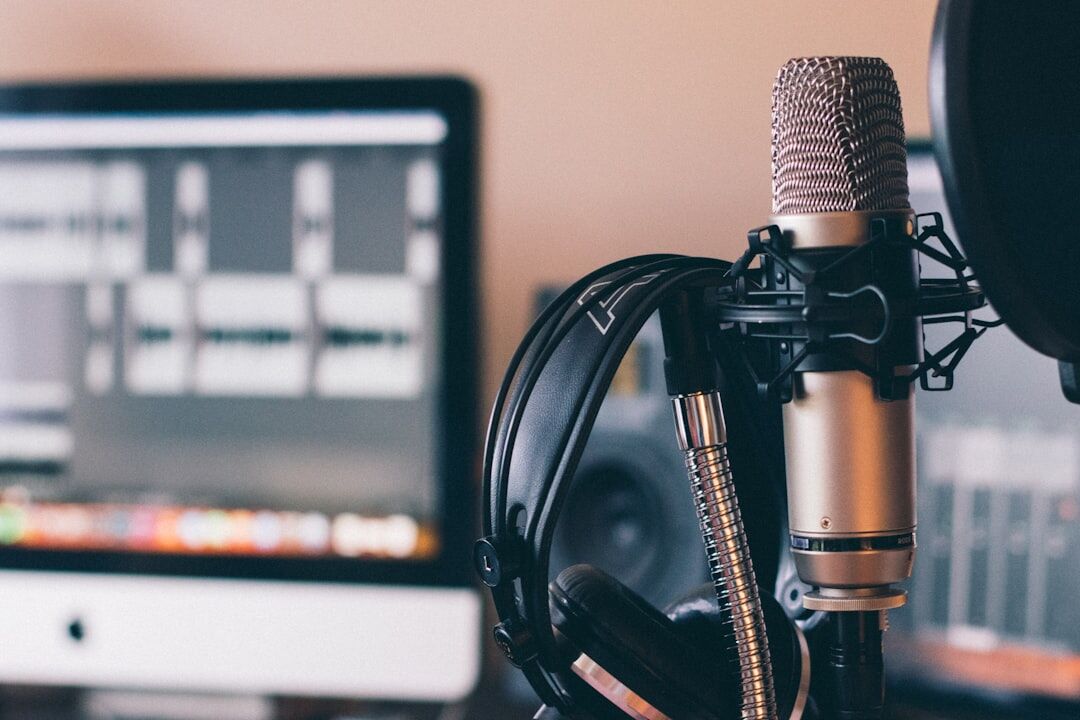
Recording a podcast from home has become more accessible than ever, but achieving that polished sound often requires attention to detail and some thoughtful adjustments. Many creators start with basic equipment only to find their episodes plagued by echoes, background hums, or uneven levels. With the right approach, you can transform a spare room into a reliable recording space that rivals professional studios.
Optimizing Your Recording Space
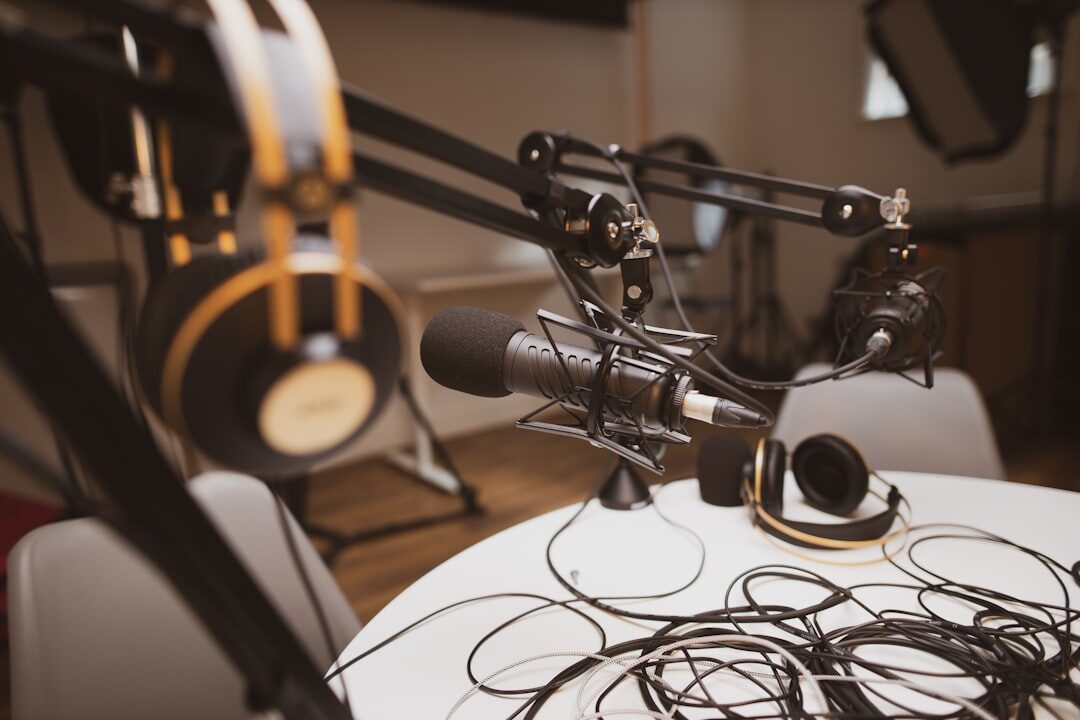
Begin by evaluating the room where you plan to record. Hard surfaces like bare walls and floors reflect sound waves, creating unwanted reverb that makes voices sound distant or hollow. Soft furnishings help absorb these reflections. Throw rugs on the floor, heavy curtains over windows, and bookshelves filled with books can make a noticeable difference. If your space still feels echoey, consider investing in affordable acoustic panels or even DIY versions made from foam or moving blankets hung strategically.
Position your microphone away from noisy appliances such as refrigerators or air conditioners. A corner or a closet lined with clothes often works surprisingly well for intimate, controlled sound. Test a few spots by recording short samples and listening back on headphones to identify the quietest, most balanced area.
Choosing and Positioning Your Microphone
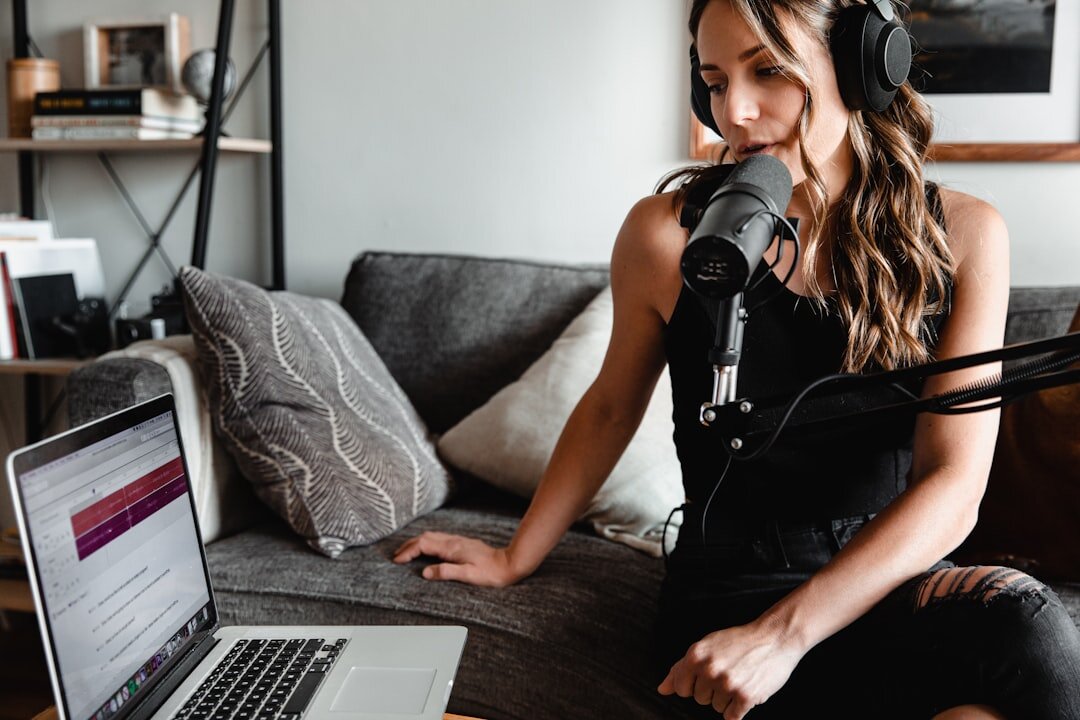
The microphone is the heart of your setup, and dynamic models tend to handle home environments better than sensitive condensers because they reject ambient noise more effectively. Place the mic at mouth level, about six to eight inches from your lips, slightly off to the side to avoid plosives from words like 'p' and 'b'. Using a pop filter adds another layer of protection against those bursts of air.
Experiment with angles during your test recordings. Tilting the mic slightly downward can reduce sibilance while maintaining clarity. Always monitor with closed-back headphones so you catch issues like mouth clicks or chair creaks in real time.
Software and Recording Techniques
Free or low-cost digital audio workstations like Audacity or GarageBand provide everything needed for multi-track recording. Set your sample rate to 44.1 kHz and bit depth to 24 bits for a good balance of quality and file size. Record each speaker on a separate track whenever possible, giving you flexibility during editing.
Before hitting record, do a sound check at the same volume you will use for the actual episode. Speak naturally and adjust gain so your peaks hover around -6 dB. This headroom prevents clipping while keeping the signal strong enough to avoid noise floor issues later.
Consistency in levels across episodes helps listeners stay engaged without constantly reaching for the volume knob.
Handling Noise and Post-Production
Even in a quiet room, subtle sounds can sneak in. Record at times when household activity is lowest, and use a noise gate or expander plugin during editing to silence gaps between speech. For more advanced cleanup, tools like RX offer spectral repair that targets specific frequencies without affecting the voice.
Finally, always export a reference mix and listen on multiple devices, from phone speakers to car stereos. This step reveals problems that studio monitors might miss. With practice, these habits become second nature and your home recordings will sound consistently professional.