Studio Secrets for Crystal Clear Audio
By Emma Thompson
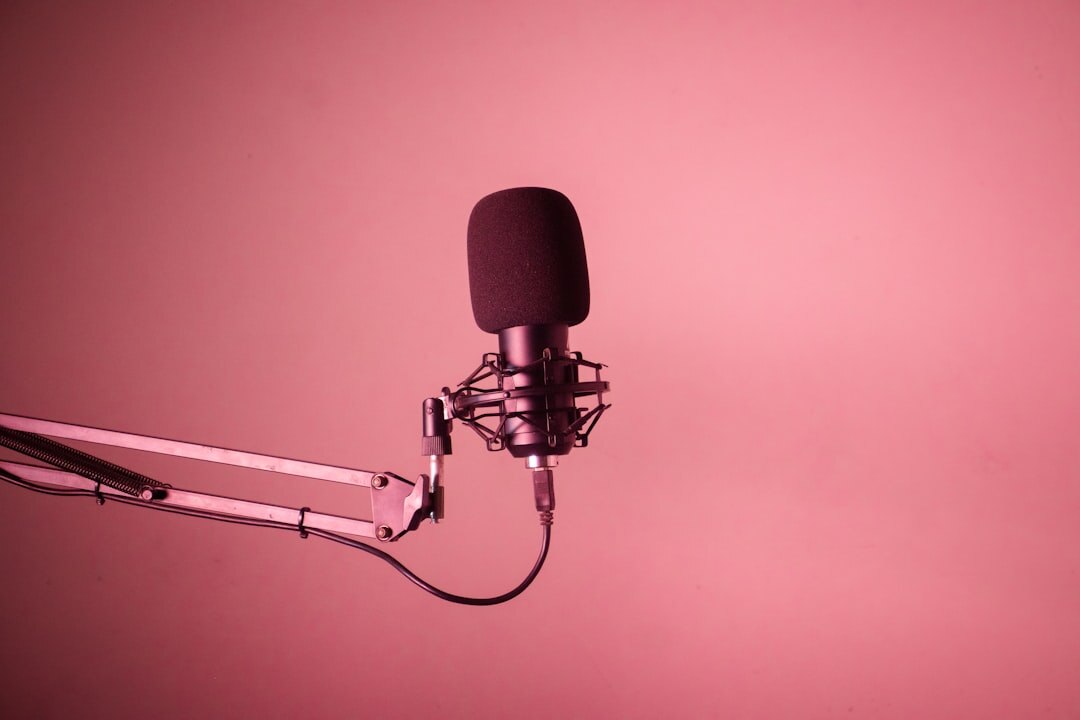
Creating a podcast that sounds professional starts with understanding the basics of audio capture. At Portalizx we have spent years refining our approach in our dedicated studio spaces. The goal is always the same: deliver voices that feel close and natural without any distracting noise or muddiness.
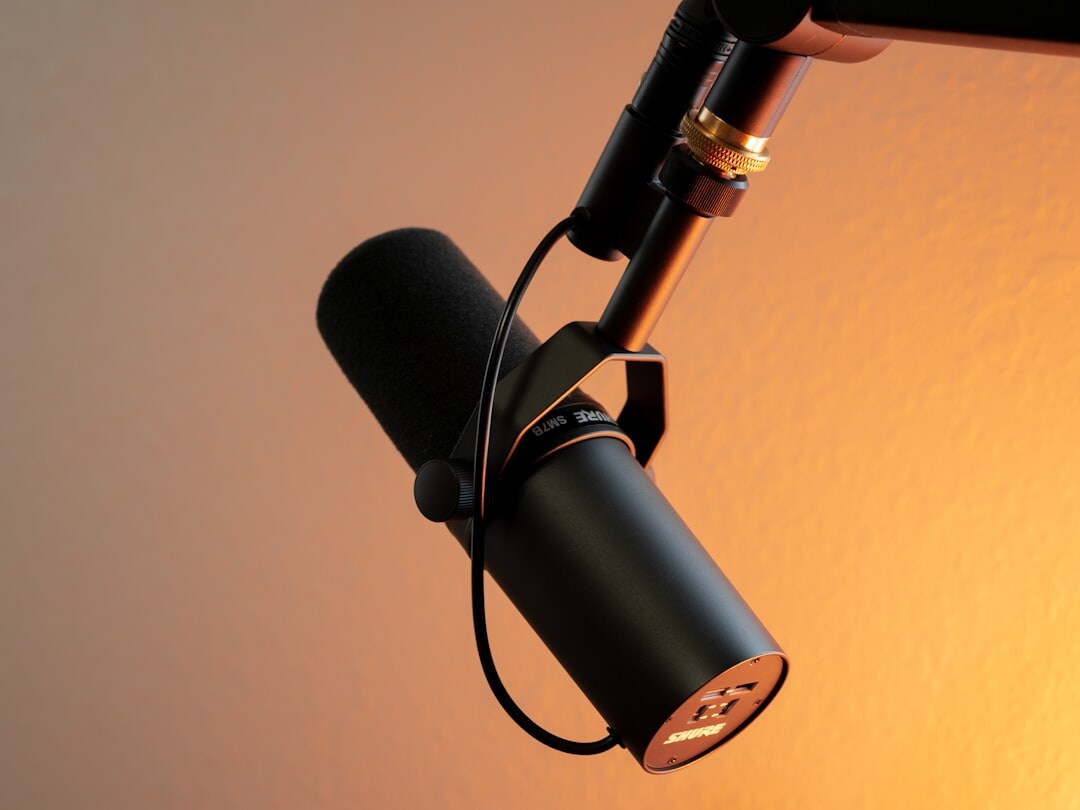
Choosing the Right Microphone
Many beginners overlook how much the microphone itself shapes the final sound. Dynamic mics work well in untreated rooms because they reject background noise. Condenser models capture more detail but require a quieter environment. We test several options with each host to find the one that flatters their voice tone. Placement matters too. Keep the mic six to eight inches from the mouth and slightly off axis to reduce plosives.
Room Treatment on a Budget
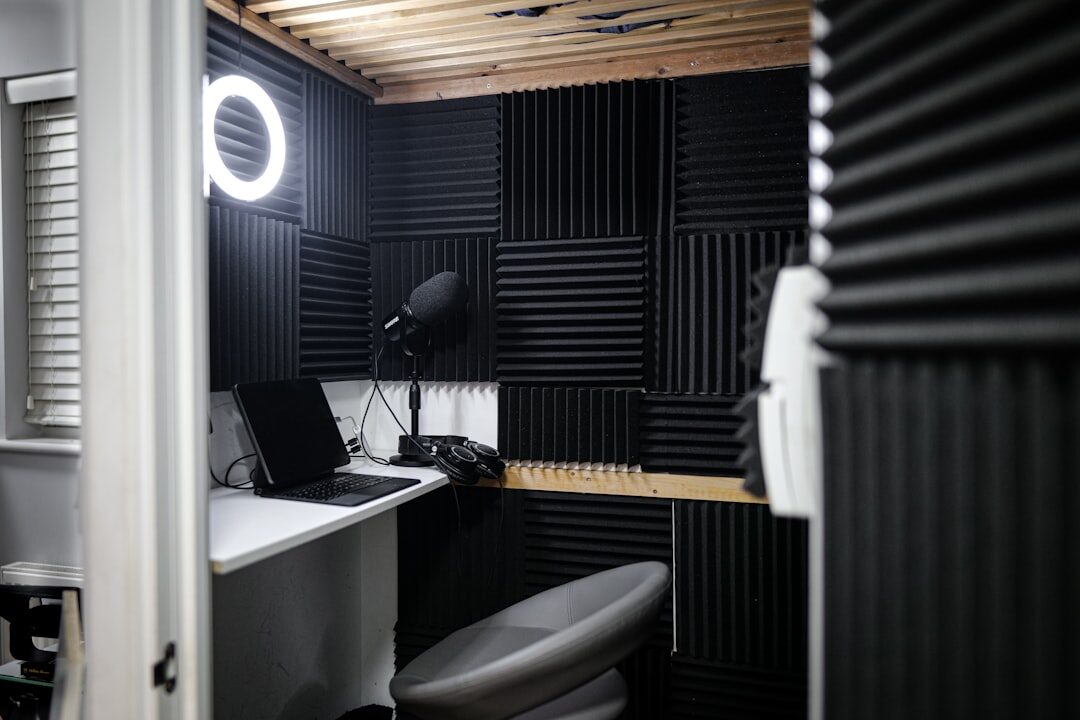
Acoustic foam panels help control reflections but they are not the only solution. Thick curtains, bookshelves filled with irregular objects, and even moving blankets can absorb unwanted echoes. We often place a rug under the desk and hang a blanket behind the speaker. These simple changes cut down on reverb without expensive construction.
Monitoring and Levels
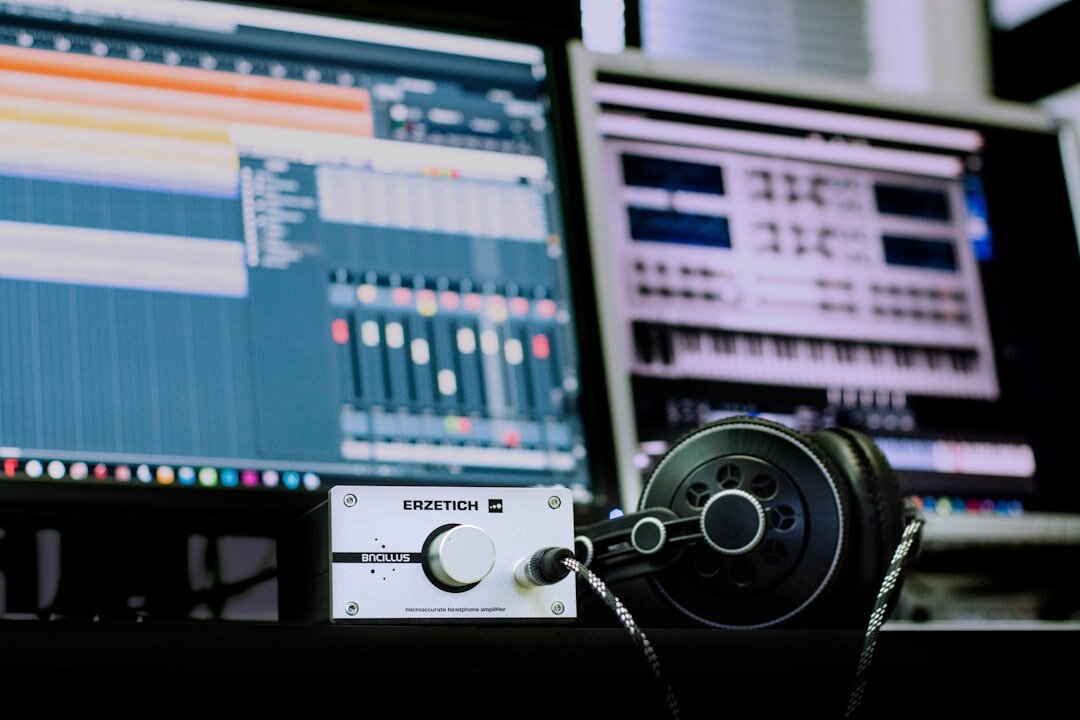
Good monitoring prevents problems before they reach the editing stage. Use closed-back headphones during recording so you hear only the live signal. Watch input levels closely. Aim for peaks around minus six decibels to leave headroom for post-production. If the meter stays in the red, lower the gain rather than trying to fix it later.
Software Tricks That Make a Difference
Noise reduction tools have improved, yet they work best when used sparingly. Record a short silence at the start of every session so you have a clean noise profile. Apply gentle EQ to boost presence around two to five kilohertz and cut mud below two hundred hertz. A light compressor evens out volume without making the voice sound flat.
Common Mistakes to Avoid
One frequent error is recording too far from the microphone, which picks up more room sound. Another is ignoring cable quality. Cheap cables introduce hum that is hard to remove. Always label your tracks and keep sessions organized. Small habits like these save hours during editing and mixing.
Consistency across episodes builds listener trust. Use the same microphone, distance, and settings each time. Over time these studio secrets become second nature and the audio quality improves without extra effort.
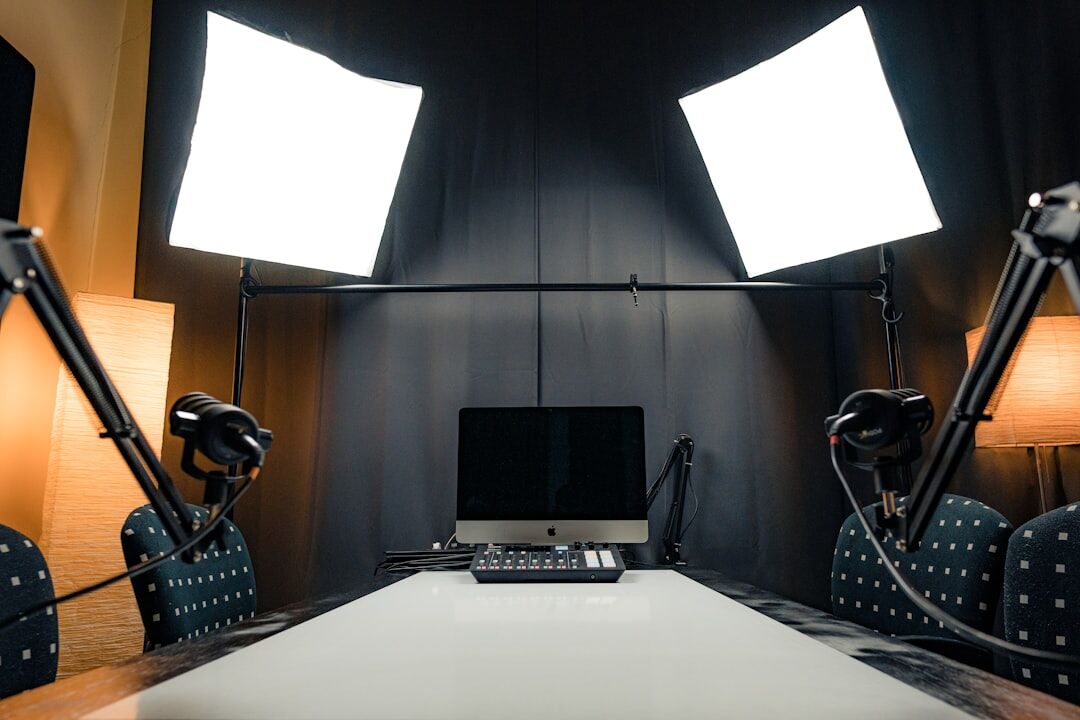
At Portalizx we continue to experiment with new techniques and share what works. Clear audio turns casual listeners into loyal fans, so every detail counts.