Designing the Perfect Podcast Setup.
By Alex Rivera
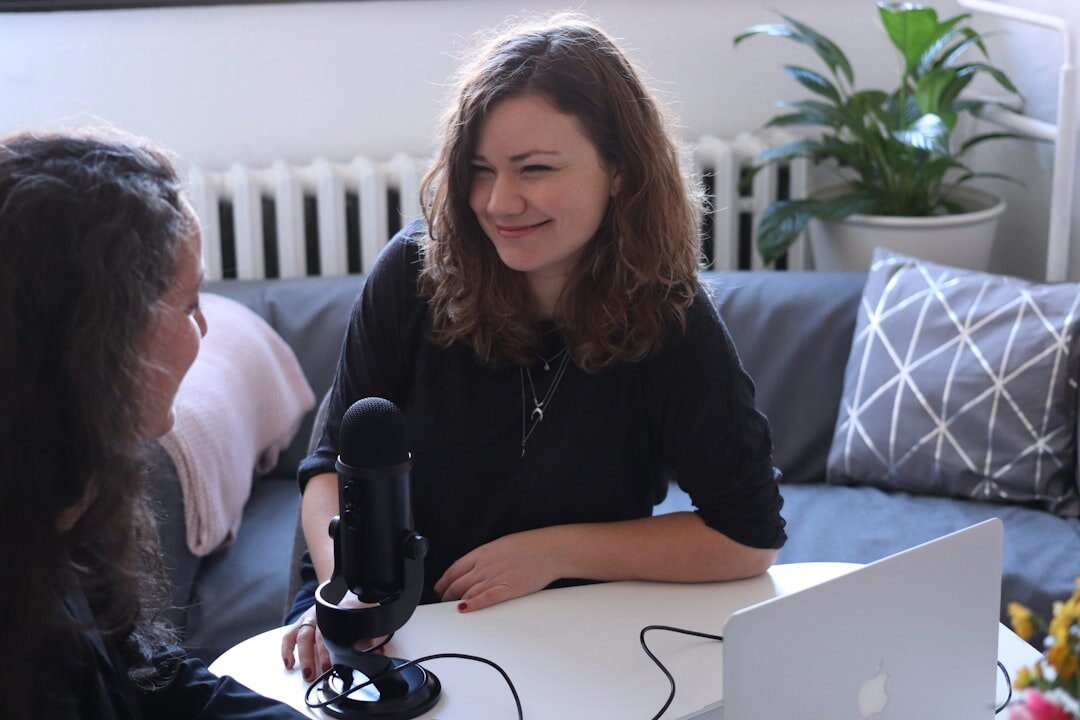
Creating a podcast setup that sounds professional yet feels comfortable starts with understanding your space and goals. Many creators begin in spare rooms or corners of their homes, but small tweaks can transform ordinary areas into reliable recording spots. The key lies in balancing sound quality with ease of use so that episodes flow naturally without constant technical interruptions.
Selecting the Right Room
Start by walking through potential spaces and listening for echoes or outside noise. A room with carpet and curtains absorbs sound better than one with hard floors and bare walls. Avoid areas near kitchens or streets where traffic and appliances create unwanted hums. Once you pick a spot, test it by recording a short voice memo and playing it back to spot issues early.
Improving Acoustics
Sound treatment does not require expensive panels right away. Bookshelves filled with volumes, thick rugs, and even moving blankets hung on walls can reduce reflections effectively. Position your desk away from windows to minimize reverb from glass surfaces. Many podcasters add bass traps in corners using affordable foam wedges to tighten low frequencies that muddy dialogue.
Choosing Core Equipment
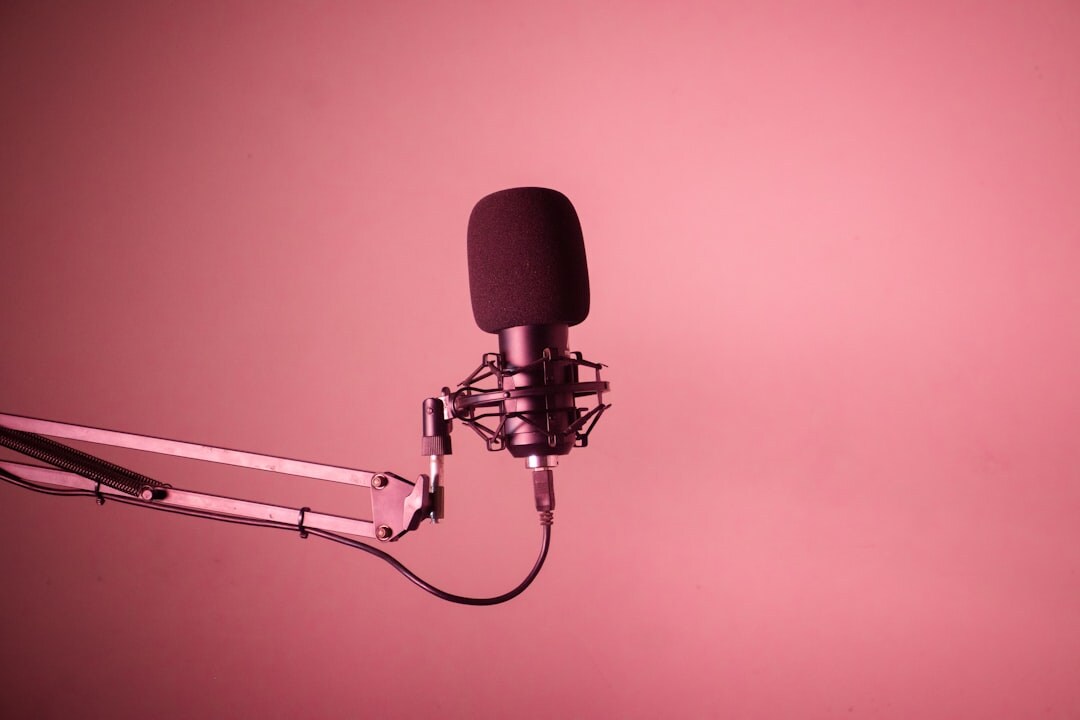
Microphones form the heart of any setup. Dynamic models handle voice well in untreated rooms while rejecting background sounds. Pair them with a simple audio interface that connects cleanly to your computer. Headphones with good isolation let you monitor recordings without bleed into the mic. Consider a sturdy boom arm to keep cables tidy and allow quick position changes during long sessions.
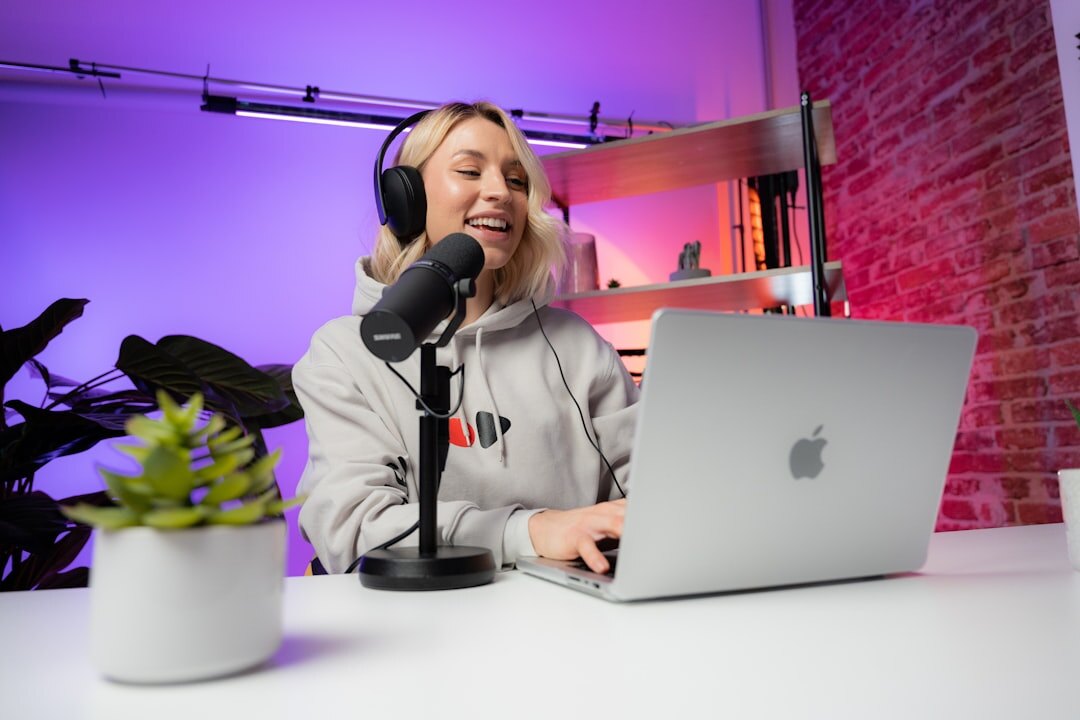
Lighting matters if your podcast includes video elements. Soft LED panels placed at eye level reduce harsh shadows and keep viewers engaged. A consistent color temperature across all lights creates a polished look without extra editing time later. Keep a small table nearby for notes and water so hosts stay focused throughout recordings.
Organizing Workflow
- Map out episode structure before hitting record to avoid long pauses.
- Use reliable recording software with automatic backups.
- Label cables and power strips to speed up setup each time.
- Schedule regular equipment checks for dust or loose connections.
Good audio comes from preparation more than pricey gear alone.
Testing and Refining
After assembling everything, run full mock episodes and review them with fresh ears the next day. Adjust mic angles or add a pop filter if plosives appear. Invite a friend to listen and note any distractions you might have missed. Over time these small refinements turn a basic corner into a space that supports consistent, high-quality output.
Remember that comfort keeps creators coming back. Include a supportive chair and easy access to controls so focus stays on conversation rather than fighting the environment. With steady attention to these details, your podcast studio becomes a place where ideas develop smoothly episode after episode.